Describe the Cdc Guidelines for Disinfecting Clinical Contact Surfaces
Clean and Disinfect Specic Types of Surfaces S o ft s u r fa ce s s u ch a s ca r p e t r u g s a n d d r a p e s. The CDC recommendation for high level disinfection is appropriate because studies have shown the effectiveness of high level disinfectants to inactivate these and other.
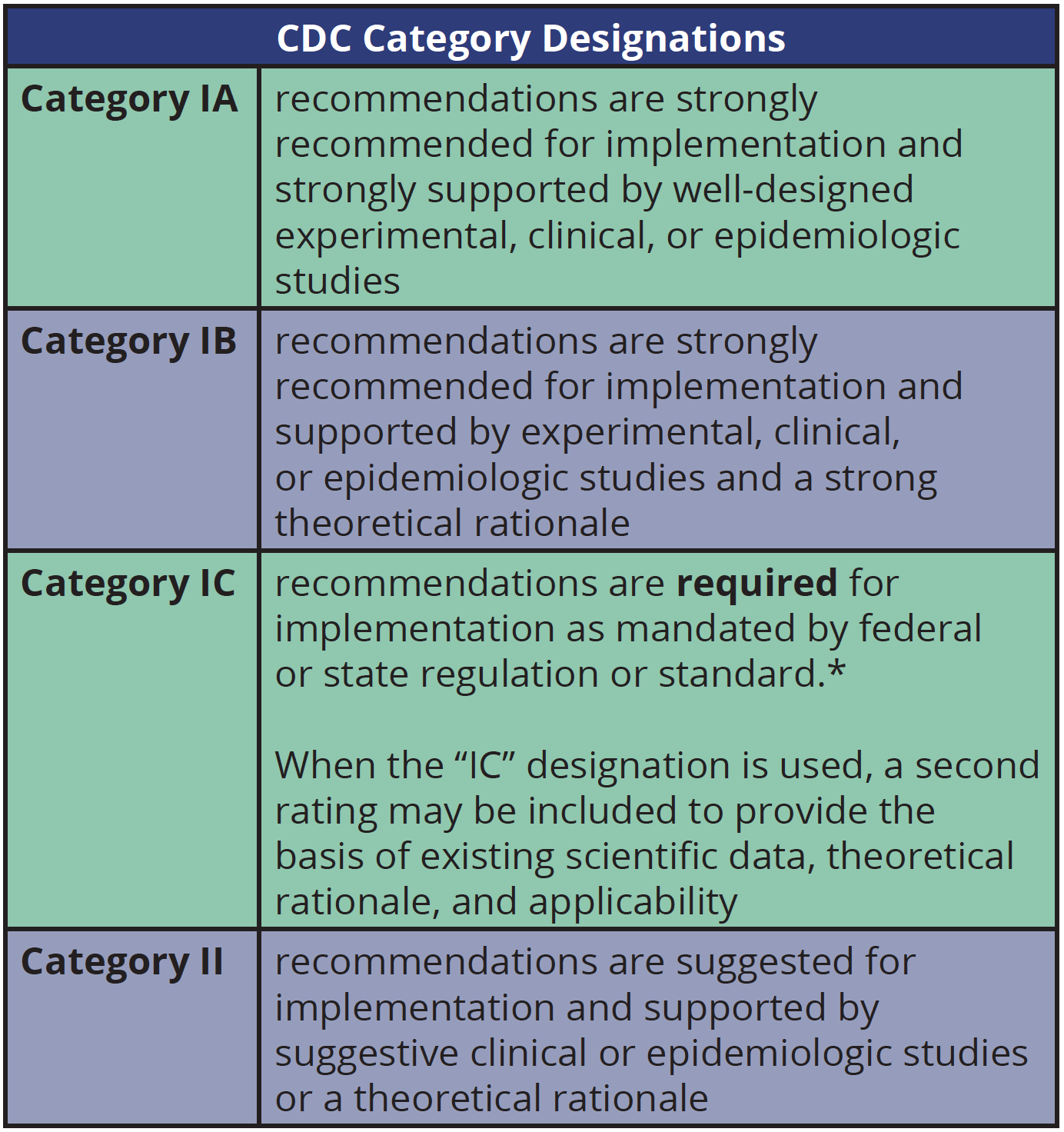
Guidelines For Infection Control In Dental Health Care Settings American Dental Assistants Association February 2020 American Dental Assistants Association Cdeworld
Initial job orientation and ongoing in-service education should include the infection control aspects of personnel health and the proper use of the personnel health service.
. According to the Centers for Disease Control and Prevention CDC cleaning and disinfecting environmental surfaces in healthcare facilities is fundamental. The detailed national guideline Hygiene Requirements on the Cleaning and Disinfection of Surfaces issued by the German Hospital Hygiene and Infection Prevention. By Mark Fuglsang.
Cleaning and disinfecting is one-step with disinfectant-detergent. If no one with confirmed or suspected COVID-19 has been in a space cleaning once a day is usually enough to remove virus that may be on surfaces. Environmental surfaces are divided into clinical contact surfaces and housekeeping surfaces.
Wet or contact times is the time required for a disinfectant to kill microorganisms on a pre -cleaned surface Disinfectant must remain wet on the surface long enough to achieve the. The framework for the. Require minimum h igh level disinfection or sterilization Includes items in contact with non-intact skin or mucous membranes Cleaning process must precede high-.
Use disinfectant products to kill germs on surfaces. A minimum six-foot distance between patients. By killing germs on a surface after cleaning it can further lower the risk of spreading infection.
EPA has compiled a. In addition to updated recommendations new topics addressed in this guideline include 1 inactivation of antibiotic-resistant bacteria bioterrorist agents emerging pathogens and. Disinfecting kills viruses and bacteria on surfaces using chemicals.
No pre-cleaning necessary unless spill or gross contamination. 2 rows Clinical contact surfaces can be directly contaminated from patient materials either by direct. Cleaning with products containing soap or detergent reduces germs on surfaces by removing contaminants and decreases risk of infection from surfaces.
In many cases best practices not scientifically. Housekeeping surfaces such as floors walls and sinks have limited. Supercedes the relevant sections contained in the 1985 Centers for Disease Control CDC Guideline for Handwashing and Environmental Control1.
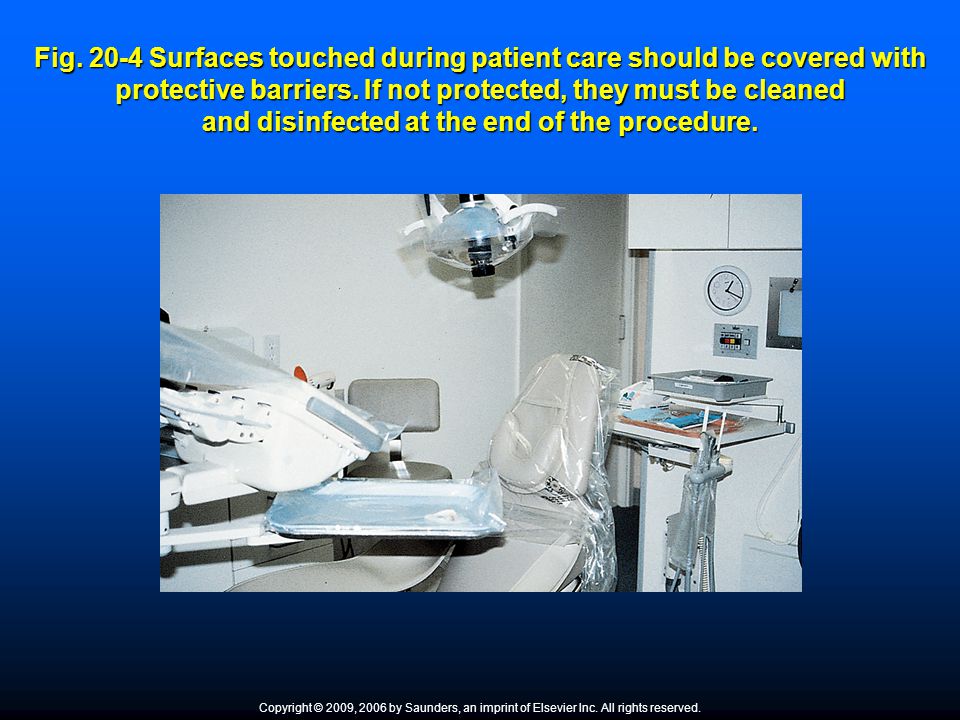
Method of surface disinfection and has several safety risks to consider. Indeed the CDC still urges people to regularly wash their hands and disinfect surfaces that are commonly touched as well as maintain social distancing of at least 6 feet to. Noncritical clinical contact surfaces such as uncovered operatory surfaces eg countertops switches light handles should be barrier-protected or disinfected between patients with an intermediate-disinfectant ie EPA-registered hospital disinfectant with a tuberculocidal claim or low-level disinfectant ie EPA-registered hospital disinfectant with HIV and HBV.
High-touch surfaces such as telephone light switch board bedrails computer door handle and medical equipment like ventilator X-ray machines and hemodialysis. Clean and disinfect frequently touched surfaces with detergent and disinfectant wipesolution between each episode of patient care according to normal infection prevention and control. For routine handwashing a vigorous rubbing together of all surfaces of lathered hands for at least 10 seconds followed by thorough rinsing under a stream of water is.
43 Clinical contact surfaces are surfaces that might be touched. Disinfect damp wipe all horizontal vertical and contact surfaces with a cotton cloth saturated or microfiber with a disinfectant-detergent solution. Contact precautions for all CF patients regardless of pathogen status.
Mask use by patients in common areas in health care settings. CDC has divided noncritical surfaces in dental offices into clinical contact and housekeeping surfaces. Yes EPA registers products that sanitize.
Yes EPA registers products that disinfect. EPA compiled a list of disinfectant products that can be used against the coronavirus including ready-to-use sprays concentrates and wipes.
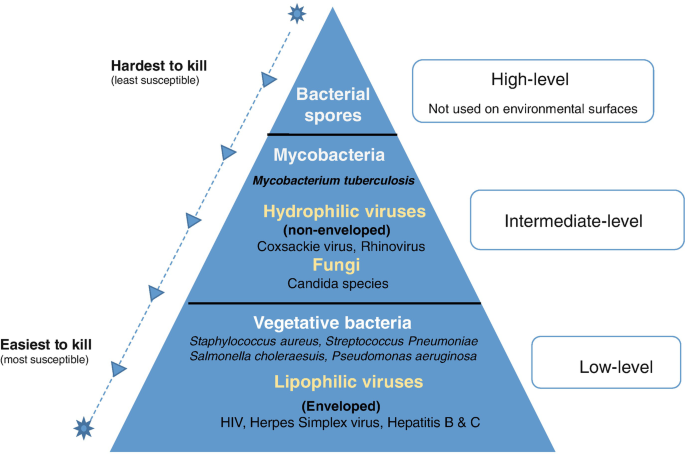
Surface Disinfection Springerlink
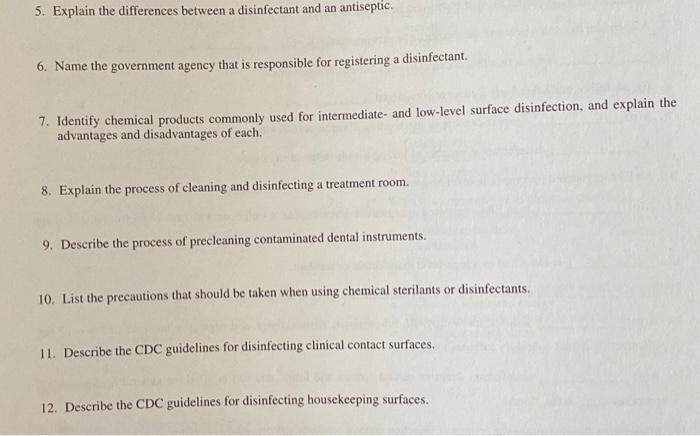
Solved 5 Explain The Differences Between A Disinfectant And Chegg Com
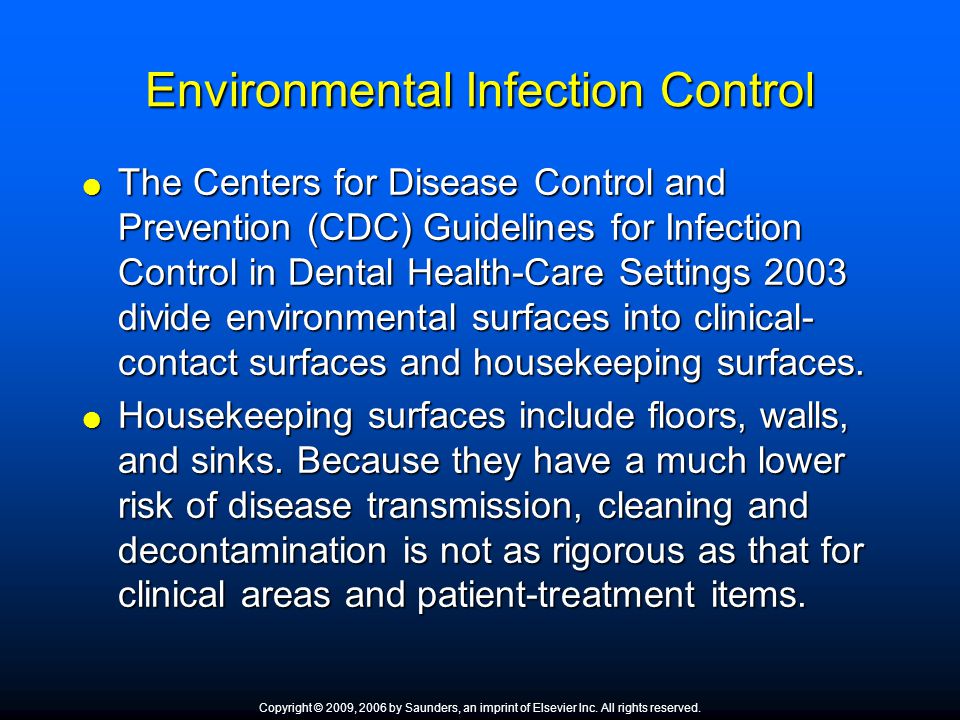
Principles And Techniques Of Disinfection Ppt Download
Principles And Techniques Of Disinfection Ppt Download


Comments
Post a Comment